Water Supply
Snowpack, reservoir levels, drought and river flows in one place, with links to the latest graphs and maps.
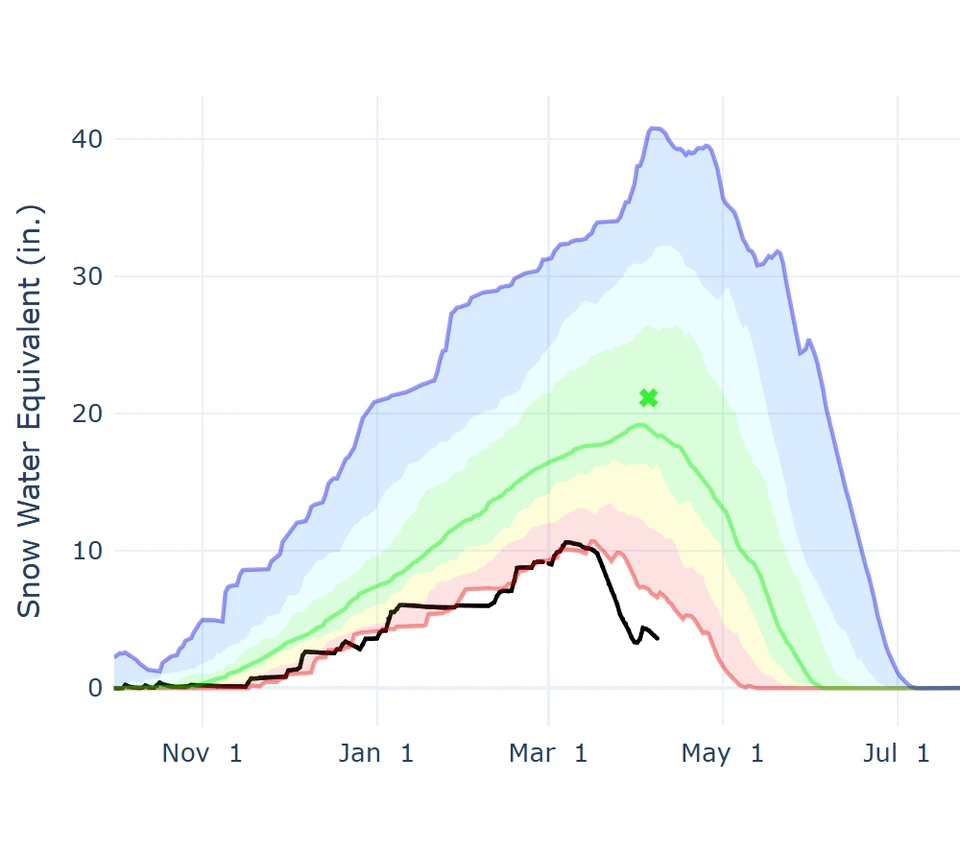
Snow Water Equivalent
Snow Water Equivalent (SWE) (opens in a new tab) is the amount of water that is the result of the snow melting. It is a measure of the actual water content within the snow, which is crucial for predicting spring runoff, managing reservoirs, and forecasting flood potential.
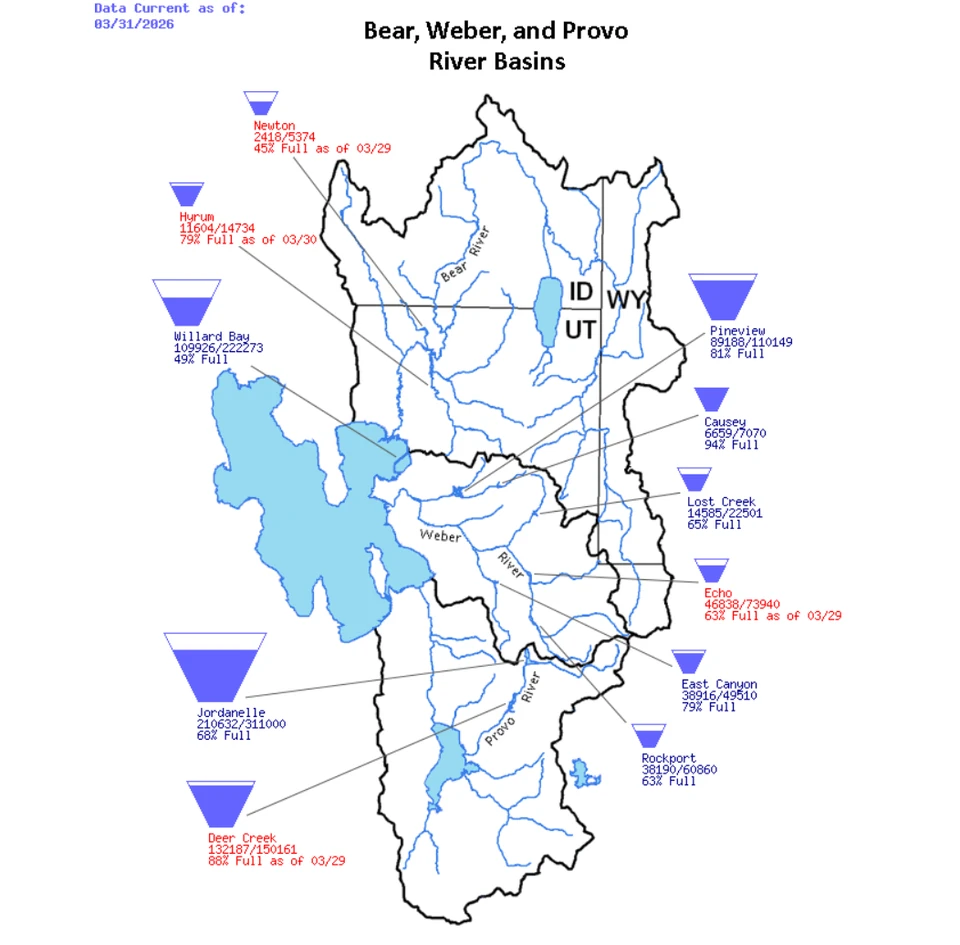
Reservoir Levels
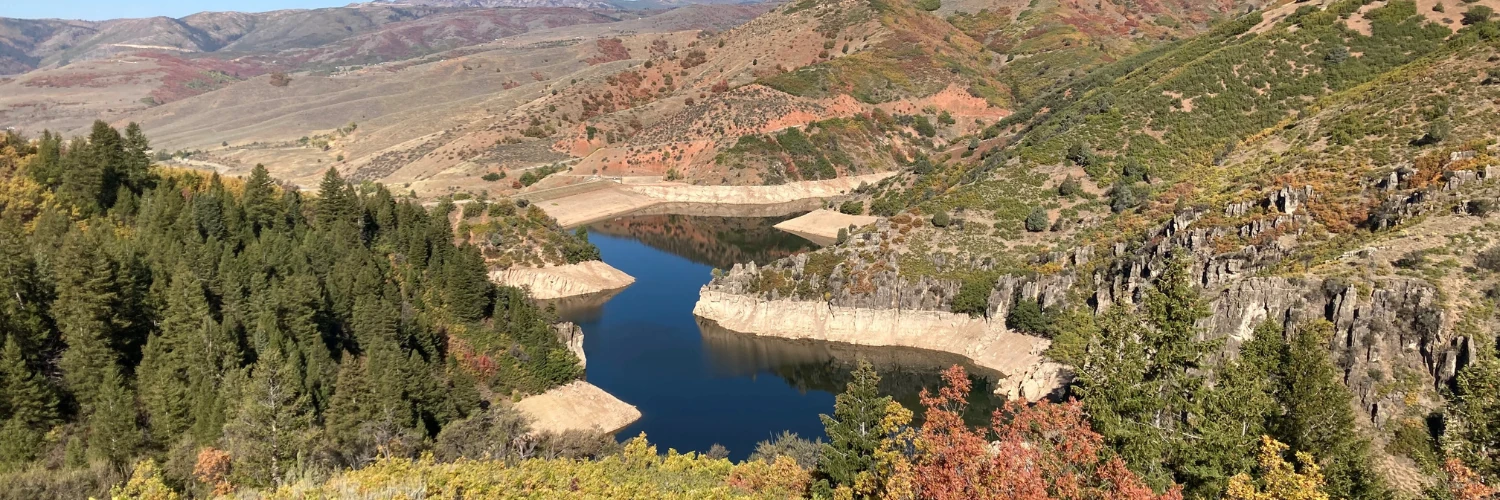
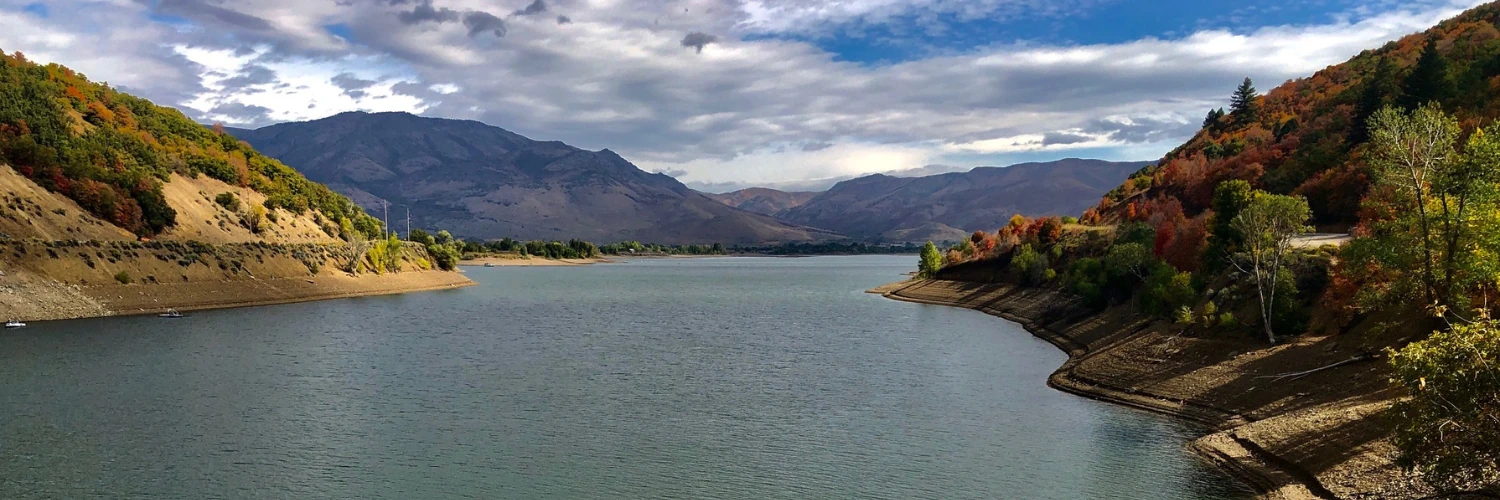
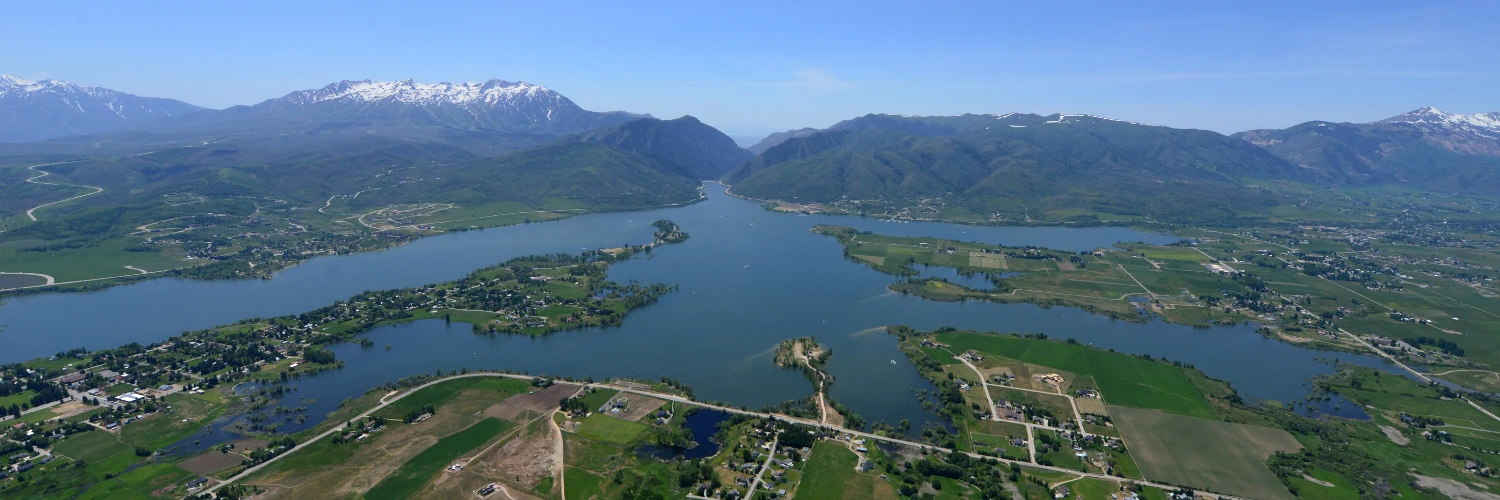
Reservoirs function as "water banks," holding water from yearly snow melt to be used for drinking, irrigation, manufacturing and agriculture. With growing demands on water, ensuring a reliable supply is something the District takes very seriously. Conservation plays a significant role in extending and maintaining adequate water supply.
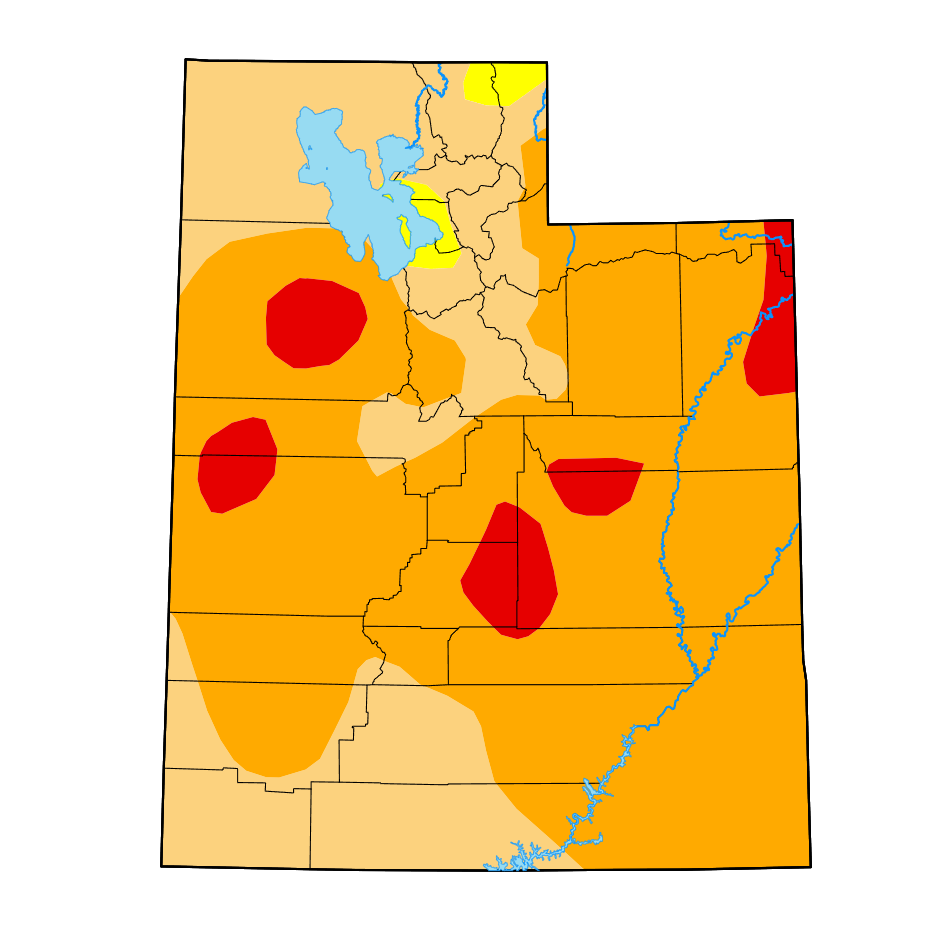
Drought Monitor
The Utah Drought Monitor (part of the U.S. Drought Monitor) is vital for tracking drought severity and is updated. We live in a climate where drought is common and directly influences water management. This tool is one piece in helping the District to manage water while facing dry conditions and making decisions about reductions, restrictions, and emergency drought declarations.
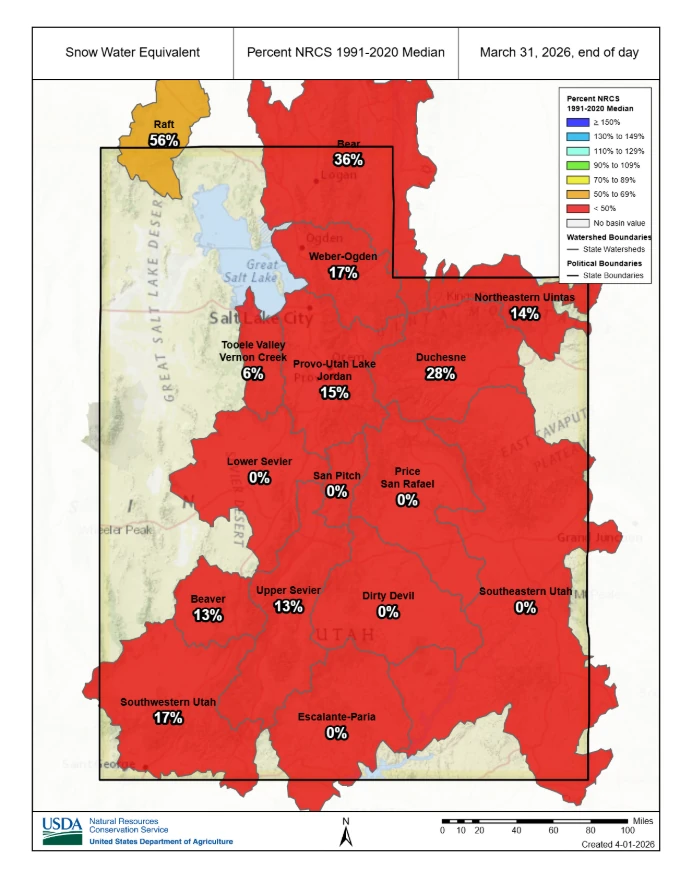
State Snowpack
Monitoring snowpack helps our water managers and partners make management decisions to increase our resiliency.
In Utah, we get approximately 95% of our water from snowpack. Reservoir storage is dependent upon snowpack and runoff to get us through dry years. The charts here are updated weekly and show snowpack compared to the average for that time of year.
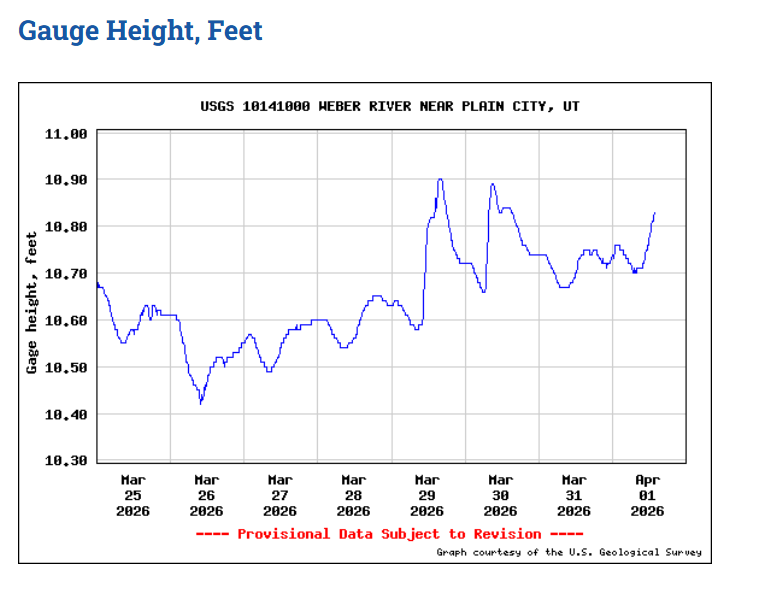
Rivers and Streams
Stream gaging stations operated by the U.S. Geological Survey in cooperation with the Weber Basin Water Conservancy District and the State of Utah, Department of Natural Resources, Division of Water Resources (opens in a new tab) provide discharge and gage height information for the Weber and Ogden rivers. Another tool to manage water supply and help in releasing or holding water until it's needed.