
Warm Season Lawns
A lawn that can use about half the water. See how it grows, how to care for it and the research behind it.

Why we're excited about warm season lawns

Drought resistant
Requires significantly less water than traditional grass varieties

Lower water use
Uses up to 50% less water while maintaining beautiful appearance

Handles cold weather
Maintains quality through temperature fluctuations

Stands up to heavy use
Durable grass that handles foot traffic and daily use

Lower mowing heights
Can be maintained at shorter heights with less frequent mowing

A top choice for sports fields
Preferred by athletic facilities for its durability and performance
What are they?
Understanding warm season lawn varieties for Utah's climate
Warm-season grasses are a type of grass, used as lawn that thrives in the warm temperatures of summer. These grasses are different in how they grow and how much water they use. The District is studying how these grasses may be a great option for low water landscapes where lawn is desired and water savings is critical. There are a few warm season options adapted for our climate that the District is assessing, including: Tahoma 31 hybrid Bermuda, Buffalo Grass, and Blue Grama.
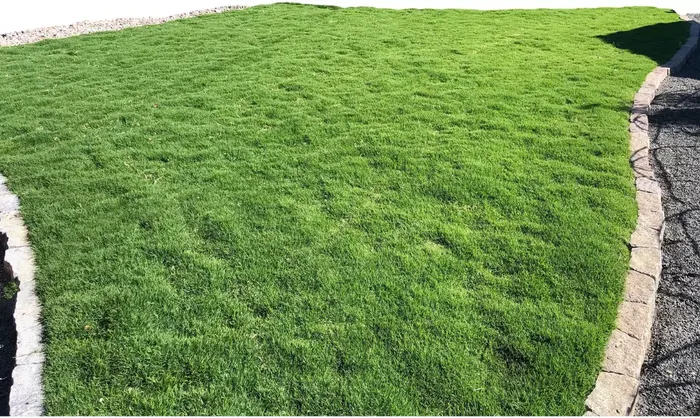
Our Tahoma 31 trial
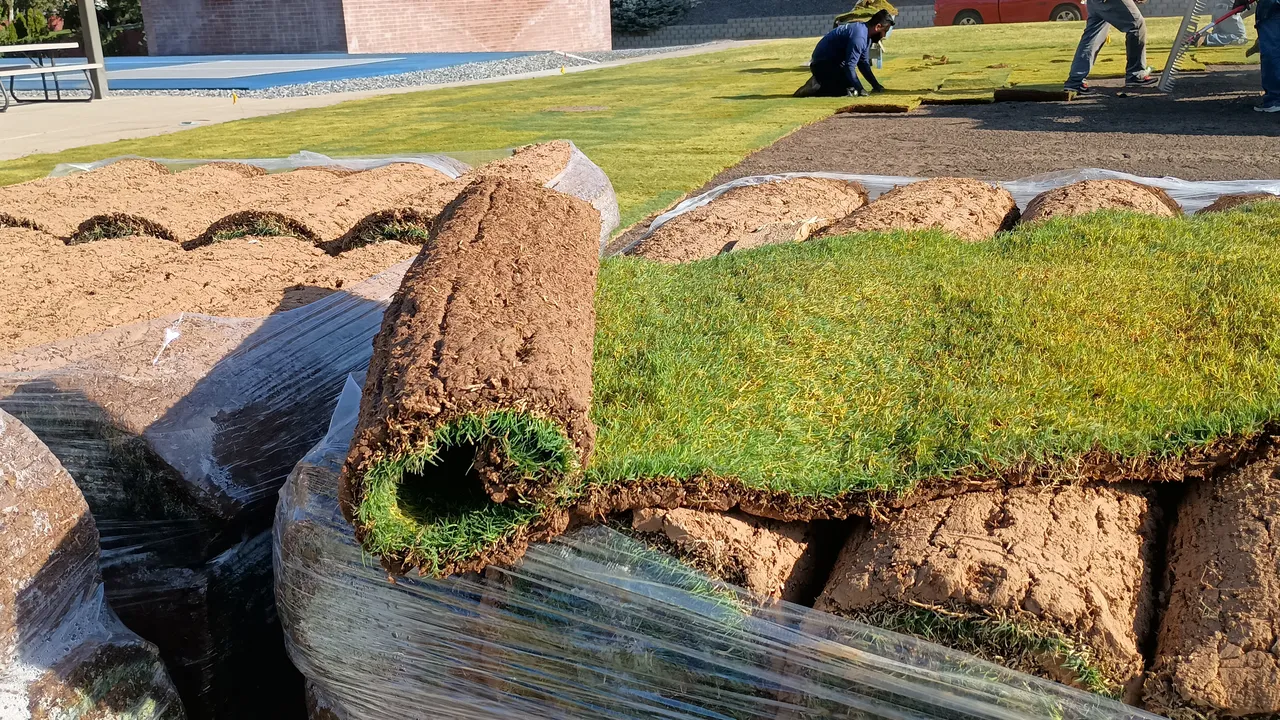
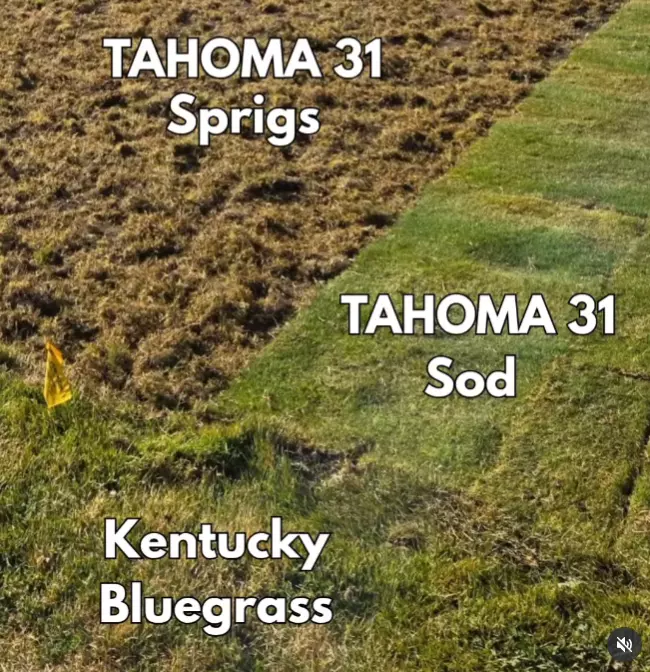
The District is involved in evaluating water savings using Tahoma 31 Hybrid Bermuda. Two plots have been installed using sod and sprigs with maintenance and water use being tracked to determine quality, water savings and overall suitability for an ideal lawn in our service area. All of this information will be made available soon. To learn more about Tahoma 31 hybrid Bermuda click the following links:
Why plant it?
The compelling reasons to choose warm season lawn for Northern Utah
Warm-season lawn in Northern Utah could be a great choice due to its potential for significant water conservation, low maintenance, and drought tolerance. These grasses have shown many characteristics that indicate they may thrive in our climate. Some of these characteristics are that they thrive in the heat, require less mowing and need much less water than cool season lawns. They tolerate a wide range of soil conditions and tolerate heavy foot traffic. Some even perform well in shaded spaces. From October until April these warm season grasses will go into dormancy and will go to a straw color.
To help achieve long term water sustainability and conservation goals for our region, the District is evaluating the use of warm season lawns where lawn is needed or desired.
The District's installation
Water savings
Significant water conservation potential for our growing community
The District has a mission to provide water to a growing population with increased demands. To achieve this mission, there must be reductions in per capita demands, which can be achieved in a large degree in our municipalities through landscape water conservation practices.
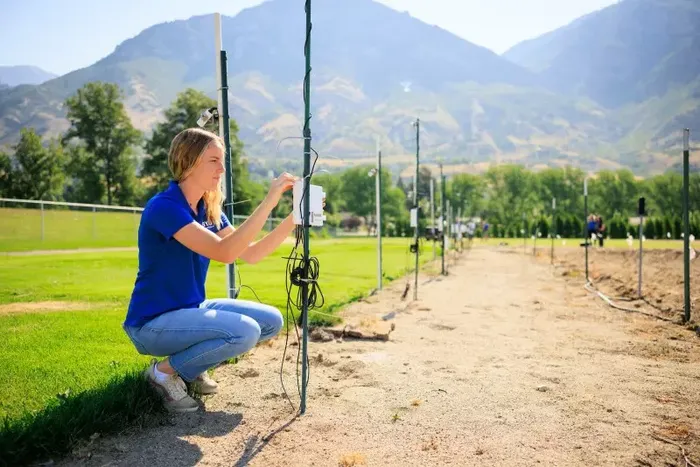
The warm season lawns if watered correctly have the potential to reduce outdoor irrigation by 50% and possibly more. The water savings being achieved on our test plots will be able to demonstrate how we are watering, how we are maintaining the lawn to achieve these savings. Our plots are individually metered to enable us to know exactly how many gallons are being applied.
Come back soon as we make the links and show you our water use and photos of how our Tahoma 31 trials are performing. Charts and useful information will be updated here regularly starting in 2026 irrigation season.
Maintenance
Different maintenance requirements for warm season lawns
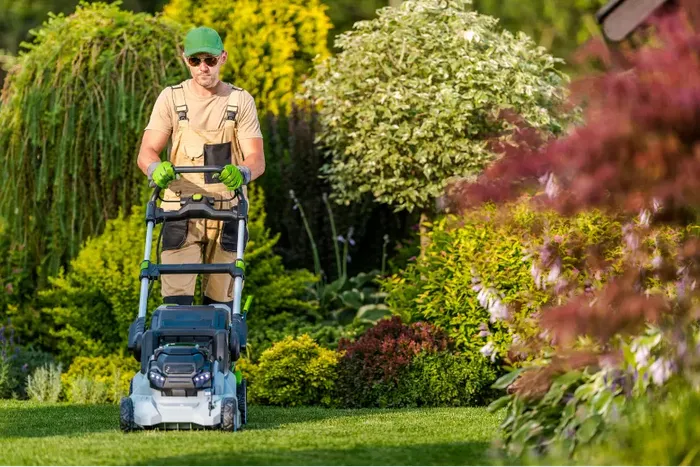
Maintenance on warm season lawns will be different than what you may be used to. Most require less mowing and much less irrigation, but fertilization, dethatching and weed control will vary depending on species and time of year.
The District will be tracking maintenance activities on our trial plots for Tahoma 31 and post that information here as it is available. Other maintenance help sheets by other entities are here below:
Research
University studies and scientific backing for warm season lawns
Warm season grasses, used as lawns are not new in many areas of the country. They are a little newer in our climate because of the dormancy period, however, with the pressures on water, this type of lawn is gaining a lot of popularity due to its potential for very significant water savings while having a nice lawn area.
The District is not set up for formal research but we want to provide you a link to research information that has been put together, mostly by university studies. Below are links to various studies or papers that demonstrate the research and information to help you learn about these great lawn types:
- BYU- Cold And Traffic Tolerance (PDF) (opens in a new tab)
- BYU- Drought Tolerance in Hybrid Bermuda (PDF) (opens in a new tab)
- BYU- Deficit Irrigation in Hybrid Bermuda (PDF) (opens in a new tab)
- OKU- Summary of New Hybrid Bermuda (PDF) (opens in a new tab)
- Buffalograss Water Reductions UC Davis (PDF) (opens in a new tab)
- University of Maryland- Buffalograss (PDF) (opens in a new tab)
- USDA- Blue Grama (PDF) (opens in a new tab)